
Fence Staining & Sealing
A few hours of staining every couple of years is what keeps a wood fence from graying out and rotting early in our wet Western New York seasons.
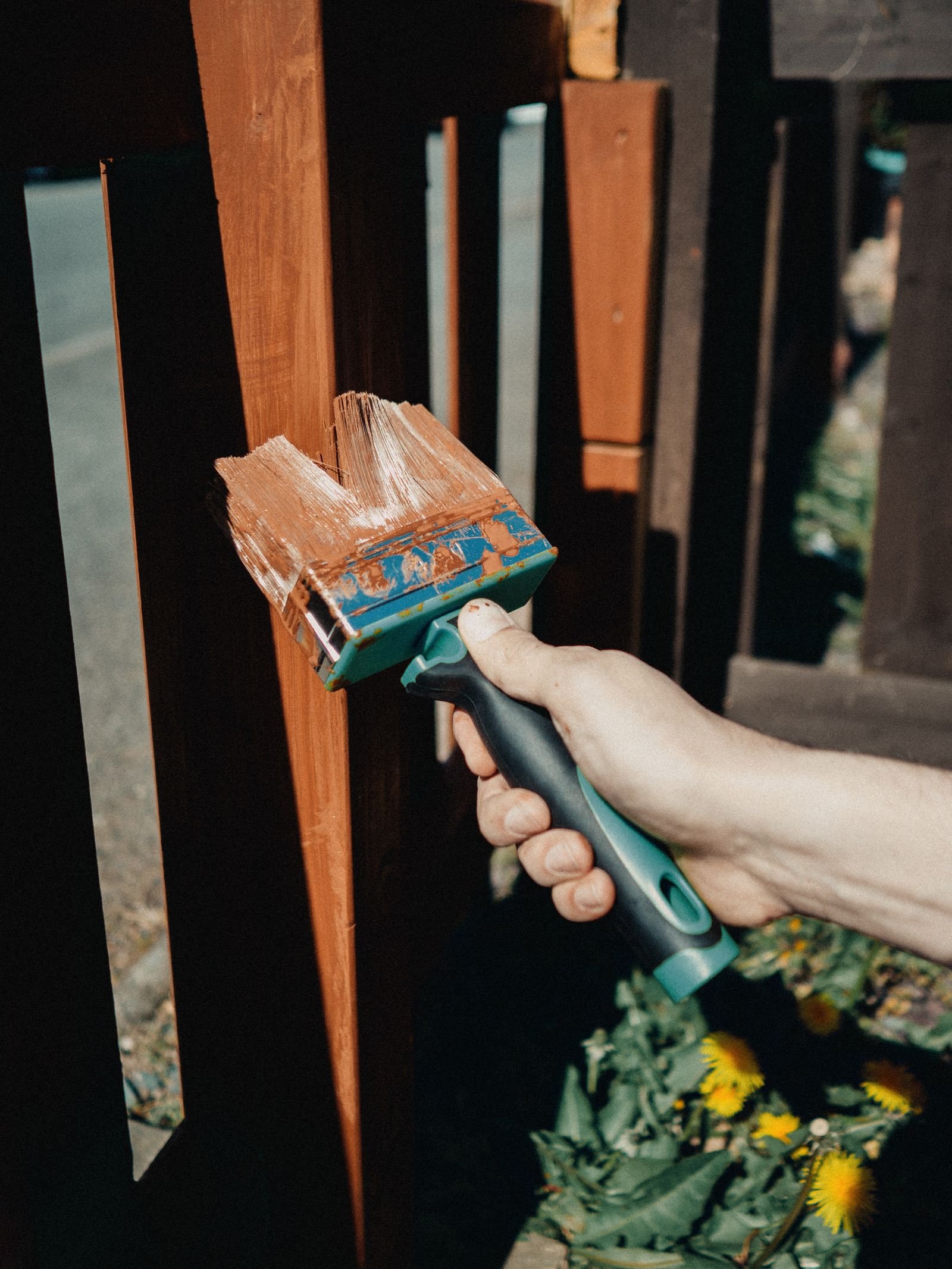
What's included
We wash off mildew, dirt and old peeling stain so the new coat actually bonds to the wood.
Rough-sawn or weathered boards get sanded smooth before staining for a cleaner finish and fewer splinters.
We apply the stain type and shade you choose, from a light natural tone to a full solid color.
A sealant coat helps shed rain and snowmelt so the wood doesn't stay saturated through freeze cycles.
We check hinges and latches while we're on-site and flag anything that needs attention.
We time the job for dry, moderate-temperature stretches so the stain cures properly instead of lifting.
Materials
Semi-transparent stain lets the wood grain show through and needs reapplication more often, while solid stain covers more evenly and lasts longer between coats.
From first call to done right.
Inspection and quote
We check the fence for any rot, splinters or hardware issues that should be addressed before staining.
Wash and prep
The fence is pressure washed and left to dry fully, and rough spots are sanded down.
Stain and seal application
Stain and sealant are applied evenly by hand or sprayer depending on the fence style.
Final inspection
We check coverage and drying, and let you know when it's safe for pets and kids to be near the fence again.
Fence Staining & Sealing FAQs
How often does a wood fence need to be restained?
Most wood fences in our climate need restaining every two to three years, depending on sun exposure and the stain type used.
What's the difference between semi-transparent and solid stain?
Semi-transparent stain shows the wood grain and weathers more naturally, while solid stain covers more like paint and tends to last longer between applications.
Can you stain a fence that's already gray and weathered?
Yes, we pressure wash and sand as needed to restore the surface before staining, though very old or rotted wood may need some board replacement first.
What's the best time of year to stain a fence in Western New York?
Late spring through early fall gives the most reliable dry, moderate-temperature windows for the stain to cure properly.
More fences services
Start with a free estimate.
On-site visit, written quote, usually within 48 hours.