
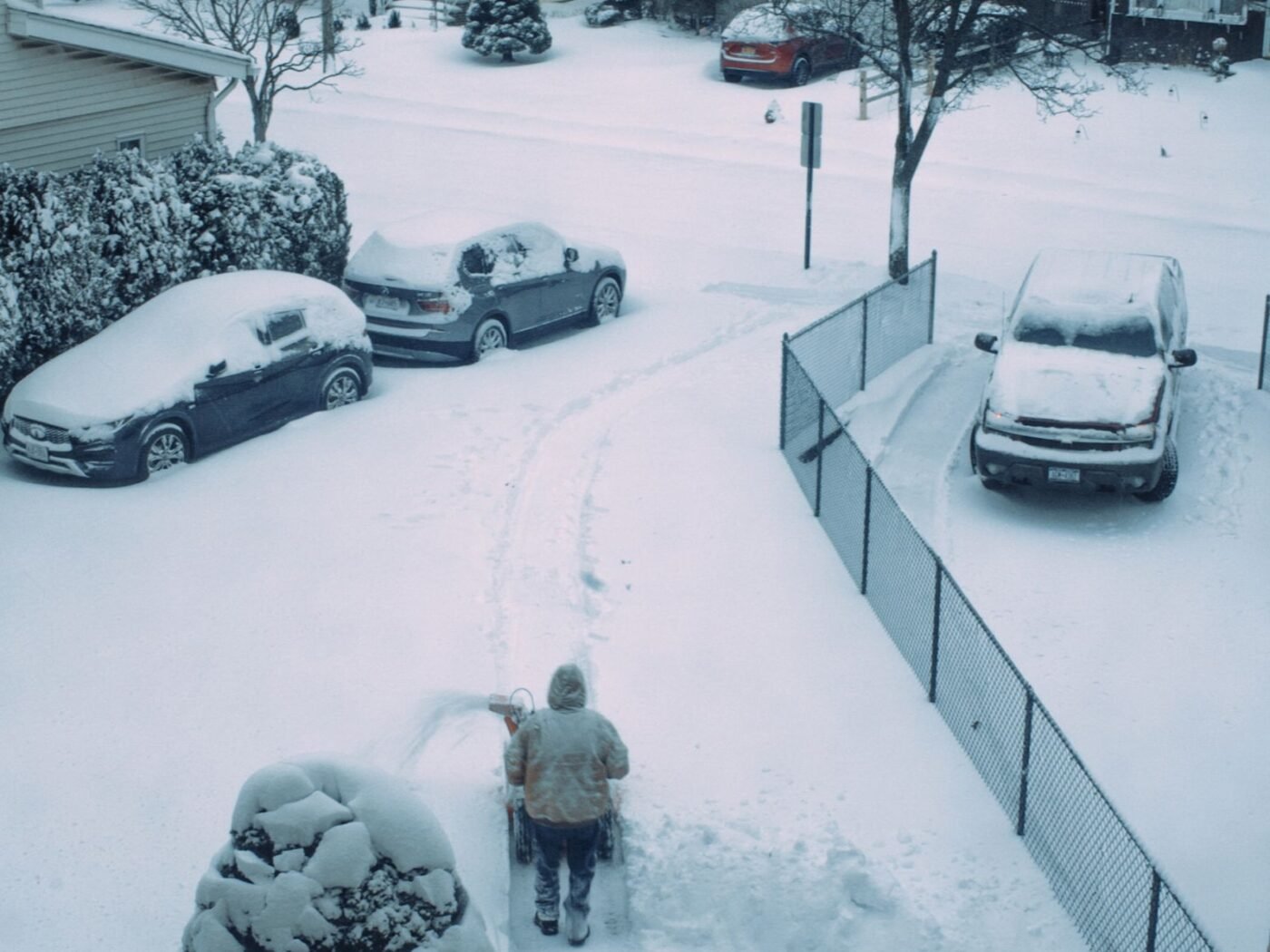
Buffalo averages north of 90 inches of snow, delivered in moods: a dusting for a week, then a lake-effect band that drops thirty inches on one half of one suburb. Whatever plowing arrangement you choose gets stress-tested by exactly that. Here’s how the three common setups hold up.
Seasonal flat-rate contracts
One price, November through April, unlimited visits above a trigger depth (ours is 2 inches). In a light winter the plow company wins a little; in a hundred-inch winter you win a lot. The value is really insurance: your cost is fixed no matter what the lake decides. Ask two questions before signing: what’s the trigger depth, and is there a cap on visits. “Unlimited over 2 inches, no cap” is the answer you want in writing.
Per-push pricing
You pay each visit — simple, and fine for low-traffic households that can wait out a storm. The catch is a big year: 40 pushes at $50 clears $2,000, double a typical seasonal rate. Per-push also puts you at the back of the queue in a major event, because contract customers are the route.
The guy with a plow
Cheapest, until he sleeps in, his truck breaks on the second-biggest storm of the year, or your lawn edge comes up with the thaw. No insurance, no backup truck, no spring repair. Sometimes it works out for years. It’s just not a plan — it’s a favor with a price tag.
What “good” looks like
Routes capped so trucks aren’t overpromised. Driveway stakes set in November. The apron ridge — the wall the city plow leaves — cleared as part of the visit, not left as your cardio. Walkways as an add-on if you want one crew doing everything. And lawn-edge damage repaired in spring without an argument, because staked routes barely cause any.
Why we cap our routes
We stop selling contracts when routes fill — usually by mid-November. It’s the only honest way to promise “cleared before 7am” during a lake-effect event. If you’re reading this in October, this is your sign; if it’s January, join the waitlist and we’ll call when a route opens.